
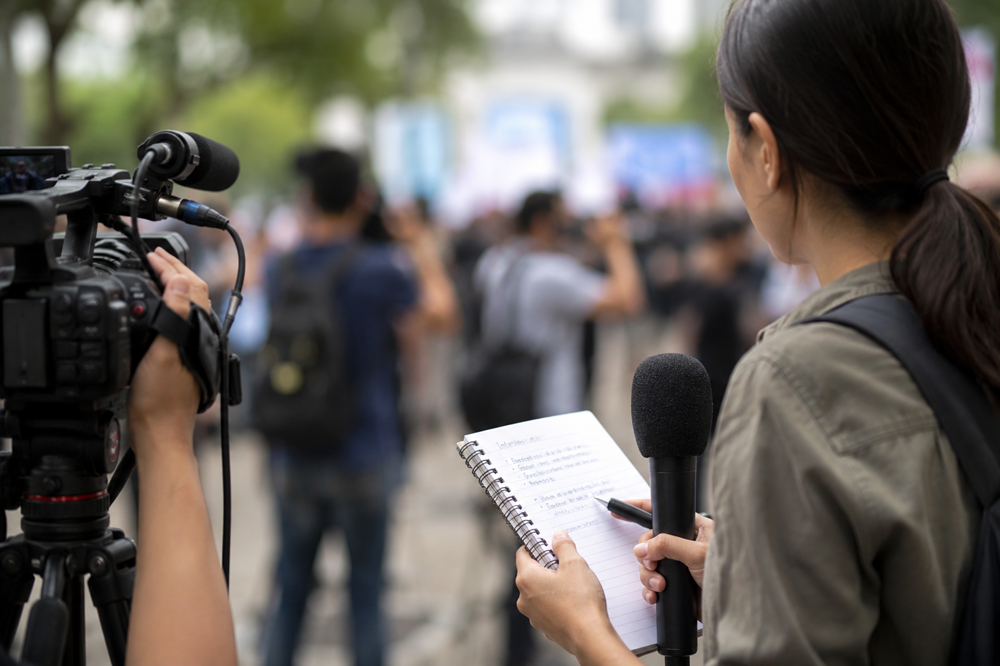
Communications Minister Datuk Seri Fahmi Fadzil’s assurance that the MADANI government is willing to assist media companies experiencing financial difficulties, and that retrenchment should be a last resort, also reflects the importance of protecting the sustainability of the media industry and the livelihoods of media personnel.
The previous RM30 million allocation under Media Innovation Fund 2.0, which benefited 72 Malaysian media companies, has provided assistance for digital transformation, newsroom modernisation and operational improvements.
However, while the fund is important in helping media organisations upgrade their capabilities, a bigger question remains: how can local media generate sustainable income to keep their newsrooms operating in the long term?
For Persatuan Wartawan Bebas Kuala Lumpur dan Selangor (FREJA), financial assistance alone cannot address the structural challenges facing smaller and independent media organisations.
What the industry needs is a more sustainable ecosystem that includes fair access to advertising opportunities, particularly government and corporate media buying.
One of the challenges facing local media is that not all public relations agencies, corporate communications departments and government organisations allocate budgets for advertorials, sponsored articles or paid editorial content.
In many cases, PR practitioners prefer earned media coverage, relying on press releases, media statements, interviews and editorial engagement to secure publicity for their clients.
Earned media is an important part of public relations and plays a legitimate role in informing the public. However, it does not generate direct advertising revenue for the media organisations that invest their resources in covering and publishing the stories.
This is where the government and corporate sector could play a more meaningful role.
Rather than viewing media support solely through the lens of grants and financial assistance, there should be greater consideration of how government advertising budgets and corporate media-buying expenditure can be distributed more inclusively to credible local media organisations.
Local news portals, independent publishers and smaller media operators should have opportunities to participate in advertising campaigns, subject to transparent criteria such as readership, audience engagement, editorial credibility, geographical coverage and professional standards.
Such an approach would provide media organisations with a more consistent revenue stream, allowing them to retain journalists, recruit new talent, improve salaries, invest in newsroom technology and expand their editorial operations.
It is also important to distinguish between paid advertising and editorial independence. Supporting local media through advertising should never mean buying favourable news coverage or influencing editorial decisions. Advertising must remain commercial, while journalism must remain independent.
A structured and transparent media-buying policy could therefore benefit both advertisers and local media organisations without compromising journalistic integrity.
The government could also encourage its ministries, agencies, local authorities and government-linked companies to broaden their media advertising reach, ensuring that smaller but credible publishers are not overlooked simply because they do not have the circulation or resources of major media groups.
Ultimately, the sustainability of local journalism requires more than occasional funding injections. Media organisations need a viable business environment in which they can earn revenue, invest in their people and plan for long-term growth.
The Media Innovation Fund provides an important foundation for modernisation. But modernisation without sustainable income will only take newsrooms so far.
For FREJA, the message is clear: helping local media survive is important, but helping them grow and upscale their newsrooms must be the bigger objective.
A stronger local media industry means more employment opportunities for journalists, wider community coverage, greater diversity of information and a healthier media landscape for the country.
The government has taken a step towards supporting the industry through the Media Innovation Fund. The next step should be to create a more inclusive and sustainable media-buying ecosystem that allows local media to stand on their own feet.
After all, a newsroom cannot survive on technology and equipment alone. It needs journalists, operating resources and, above all, sustainable revenue to keep the news flowing.
This commentary reflects the views of Ramani Parkunan, a media practitioner and Secretary of Persatuan Wartawan Bebas Kuala Lumpur dan Selangor (FREJA).







Leave a Reply