
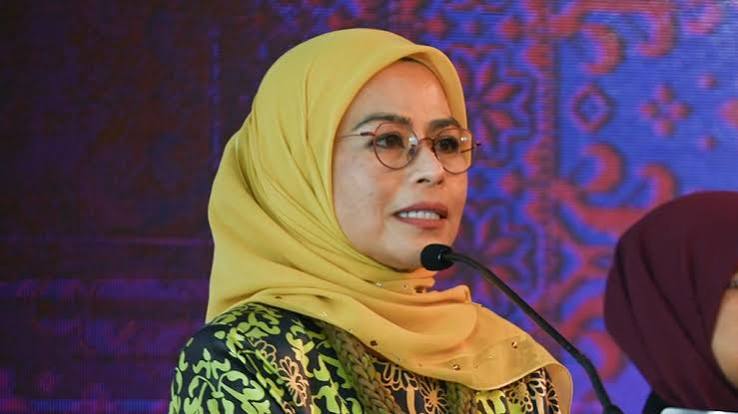
PUTRAJAYA, November 19, 2026 – The adoption of artificial intelligence (AI) and digital technologies in Malaysia’s plantation sector must be inclusive and responsible to ensure that smallholders are not left behind or burdened by technological changes, said Plantation and Commodities Minister Datuk Seri Dr Noraini Ahmad.
She stressed that smallholders’ data must be protected, while digital systems developed for their use should be transparent, accessible and user-friendly.
Speaking at the Putrajaya Festival of Ideas 2026 ESG Summit, Noraini said technologies such as AI, drones and automation offered significant opportunities to improve productivity and operational efficiency across the plantation industry.
These technologies could help forecast crop yields, optimise fertiliser usage, monitor land utilisation and strengthen supply chain management.
She highlighted the progress made through Project Infinity, an initiative by SD Guthrie, which has deployed 444 machines for plantation activities such as fertilising and weed control.
According to Noraini, the initiative has reduced manpower requirements for these tasks by 29 per cent without any retrenchments.
More importantly, 503 local youths have received training as machine specialists, earning an average monthly salary of approximately RM3,500.
She said the initiative demonstrated how technological advancement could improve operational efficiency while creating new employment and skills development opportunities for local talent.
Noraini also revealed that autonomous harvesting drones developed in collaboration with local technology companies had achieved a 90 per cent success rate during controlled testing.
“This is an innovation by our local talent that we should be proud of. However, this example comes from a large company. Our challenge is to ensure that smallholders also benefit from similar technologies,” she said.
Stronger Industry-Academia Collaboration Needed
Noraini emphasised the increasingly important role of higher education institutions in conducting research that addresses the actual challenges faced by the plantation industry.
She proposed three key areas of collaboration to strengthen the sector’s transformation.
The first involves joint research initiatives between universities, the Malaysian Palm Oil Board (MPOB), the Malaysian Rubber Board and industry players, particularly in measuring, tracking and reporting environmental, social and governance (ESG) performance.
The second focuses on developing skilled talent in ESG, AI and data science, with training opportunities made accessible to smallholders, cooperatives and small enterprises.
The third involves strengthening evidence-based policy recommendations to ensure research findings can be translated into practical measures that benefit the industry.
She said closer collaboration between academia, government agencies and industry players would be essential in ensuring that technological innovation translates into meaningful improvements across the plantation value chain.
Ensuring Smallholders Benefit from Digital Transformation
Noraini’s remarks highlighted the importance of ensuring that Malaysia’s plantation sector embraces digital transformation without widening the gap between large plantation companies and smaller operators.
While automation and AI offer opportunities to improve productivity, she stressed that the benefits must extend to smallholders through accessible technologies, appropriate training and effective support systems.
The industry’s transformation must therefore go beyond adopting advanced machinery and digital solutions to include protecting data, developing local talent and ensuring equitable access to innovation.
As Malaysia continues to advance its ESG and digitalisation agenda, collaboration between government, research institutions and industry stakeholders will play a crucial role in building a more productive, sustainable and inclusive plantation sector.
Source: BERNAMA





Leave a Reply