
Every aspect of tourism is scrutinised. Not least by a legion of academics, researchers, journalists, economists, environmentalists and lobbyists.
The days of simply bringing in more visitors to create more spending are gone – or should be.
Over the last 60 or so years a moral imperative has (rightly) forced tourism to be greener, cleaner, more respectful of local culture, more inclusive and more equitable in the distribution of tourism revenues.
One of the more recent challenges most tourism stakeholders agree on is the need to create and retain better fiscal value for communities engaged in or exposed to tourism.
The key questions are: how much value stays in the destination, who receives it, and what lasting benefits does it create?
Reducing leakage
Responsible tourism operators are therefore now trying to reduce leakage – money spent by visitors that leaves the destination through foreign-owned hotels, imported food, overseas booking platforms and external suppliers.
The United Nations Conference on Trade and Development estimates that 50-80% of tourist expenditure in developing countries leaves the local economy.
Greater value comes when hotels and tour operators buy locally, employ locally and use local guides, transport, restaurants, crafts and services.
“A destination will gain more from fewer visitors who spend locally, stay longer, and travel outside peak periods than from high-volume, low-spend tourism,” says George Newling-Ward, manager at award winning Anurak Community Lodge near Khao Sok national park in southern Thailand.
Like many operators with a keen eye for community responsibilities Anurak Lodge buys ingredients from local farmers and crafts from small enterprises and uses local entrepreneurs who provide bamboo rafting, guided hikes and gardening services. The lodge also says the majority of its staff come from nearby villages and that it invests in their training and career development.
Community say in projects
Responsible tourism operators say communities should also have a meaningful say in what kind of tourism development takes place, where it occurs and how benefits are distributed. This is especially important where tourism uses communal land, beaches, forests, water or culturally significant places.
Ownership is important too.
“Tourism creates greater value when residents are not merely employees but own guesthouses, restaurants, guiding companies, and other parts of the tourism supply chain,” says Willem Niemeijer, CEO and founder of destination management company Khiri Travel, which provides certified responsible tourism services in eight Asian countries.
“Good community tourism is about better jobs, not simply more jobs. We need to look beyond employment numbers to leakage, wages, working conditions, career progression, skills development and whether tourism provides year-round livelihoods rather than precarious seasonal work.”
Creative solutions
Creative thinking and innovation in community tourism can also create real success stories.
For example Khiri Travel in Laos takes tourists to visit the Laos Buffalo Dairy, a social enterprise using tourism to support local farmers, improve animal care and create a deeper connection between visitors and Lao culture.
Through hands-on experiences such as feeding buffalo, learning about local farming practices and tasting buffalo milk products, travellers gain insights into an important part of rural life while supporting a model that delivers value for local people.

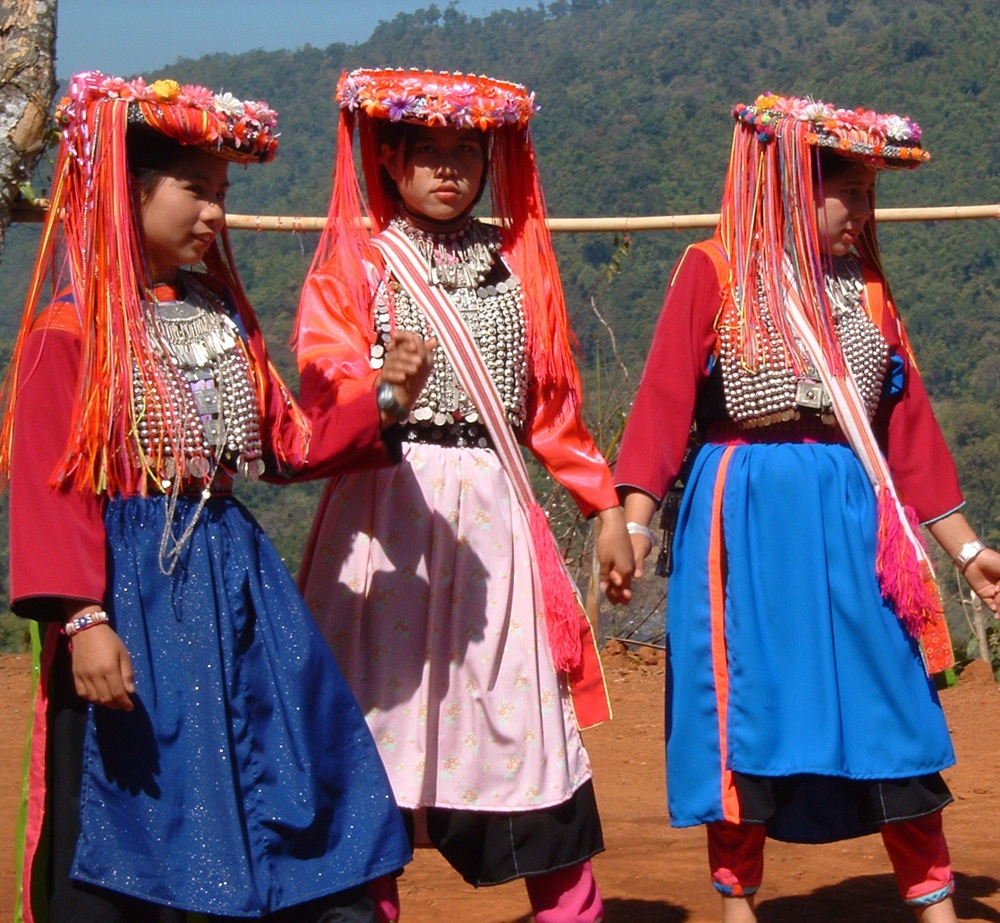
Communities should retain control over how their culture is presented and commercially used. Villagers, hill tribes, artisans and musicians should, at a minimum, have a say in how, where and when their cultural output is sold. And of course, there should be a mechanism where profits return to villagers and artisans at fair rates.
Develop secondary destinations
It is also important to spread visitors geographically. Tourism concentrated in a few hotspots often produces congestion and inflated property prices while nearby communities receive little benefit. Developing secondary destinations, village experiences, walking and cycling routes and community-based accommodation can distribute spending more widely.
Equally, tourism should be more evenly spread throughout the year. Seasonality is a major obstacle to creating stable livelihoods. Events, specialist travel, wellness, food tourism, nature tourism and domestic tourism can help generate demand during shoulder and low seasons.
Measuring tourism better
Tourism has traditionally measured success through arrivals, hotel occupancy, average daily rate and total visitor expenditure. Effective community tourism suggests another and perhaps better set of metrics: local procurement, locally retained expenditure, quality of local employment, local enterprise income, conservation finance and community benefit per visitor.
“We need to move from ‘giving to communities’ to ‘creating value with communities’,” says Natalie van Ogtrop, sustainability manager at YAANA Ventures, a pan-Asian company that develops responsible tourism projects.
She says that creating greater value means helping community businesses and projects grow beyond what they could achieve on their own.
“Instead of funding or supporting what is already there, tourism companies can use their expertise, networks, connections, visitors and market access to help communities develop and scale,” she says.
It’s a complex issue, but Niemeijer at Khiri Travel sums up the challenge succinctly. “The future of tourism should be measured less by how many people arrive and more by where and how much lasting value each visitor leaves behind.”


Credit Images:
- Hilltribes. [Image by Joseph Ken/Greenstock]
- Laos Dairy Farm: a creative community tourism project [picture by Khiri Travel; no attribution required]
- Tourists clean a beach in Lombok, Indonesia
- Value can also be judged in skills training. Khiri Travel’s charitable arm, Khiri Reach, helps with training villagers in remote hills in Laos where Khiri now brings hiking parties to stay overnight.







Leave a Reply