
KUALA LUMPUR, Aug 21, 2026 — Malaysia is facing a sharp rise in dengue infections, with cases increasing by more than half compared with the same period last year, prompting the Health Ministry to intensify nationwide prevention and control measures.
The Ministry of Health (MOH) said 58,079 dengue cases had been recorded up to Epidemiological Week 32 of 2026, representing a 56.2 per cent increase from the corresponding period in 2025.
A total of 55 deaths linked to dengue complications have also been reported.
The increase was initially concentrated in the Klang Valley, particularly Selangor and the Federal Territories of Kuala Lumpur and Putrajaya.
In response, the ministry has stepped up targeted interventions including early case detection, intensified Aedes mosquito control, outbreak management and the mobilisation of additional personnel to strengthen field operations.
These measures have begun to produce positive results in the Klang Valley, but the ministry warned that the overall dengue situation remains a concern as infections are now rising in several other states.
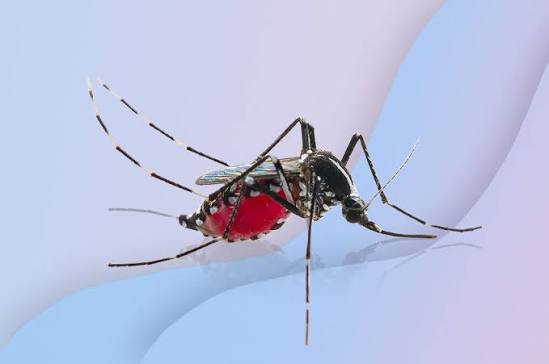
MOH said the increase was being driven by a combination of factors, including unpredictable weather patterns. Alternating periods of rain and hot weather can create favourable conditions for the breeding of Aedes mosquitoes, the primary vector for dengue.
The presence of containers and other items capable of holding stagnant water around homes and residential areas is also contributing to the increased breeding risk.
The ministry stressed that dengue prevention cannot rely solely on government action, as more than 70 per cent of Aedes breeding sites are still being found in residential areas.
It called for a whole-of-society approach involving government agencies, local authorities, private-sector operators, property and premises managers, communities and individuals.
MOH urged the public to spend at least 10 minutes every week checking their homes and surrounding areas for potential Aedes breeding sites and destroying any containers or areas where stagnant water can accumulate.
People are also advised to take precautions against mosquito bites and seek medical attention promptly if they develop fever or warning signs associated with dengue.
The ministry said it would continue monitoring the outbreak closely and adjust its interventions according to the latest epidemiological developments.
With dengue cases no longer concentrated only in the Klang Valley, MOH stressed that sustained cooperation at household and community level would be crucial in preventing further spread and reducing the risk of severe disease and deaths.






Leave a Reply