
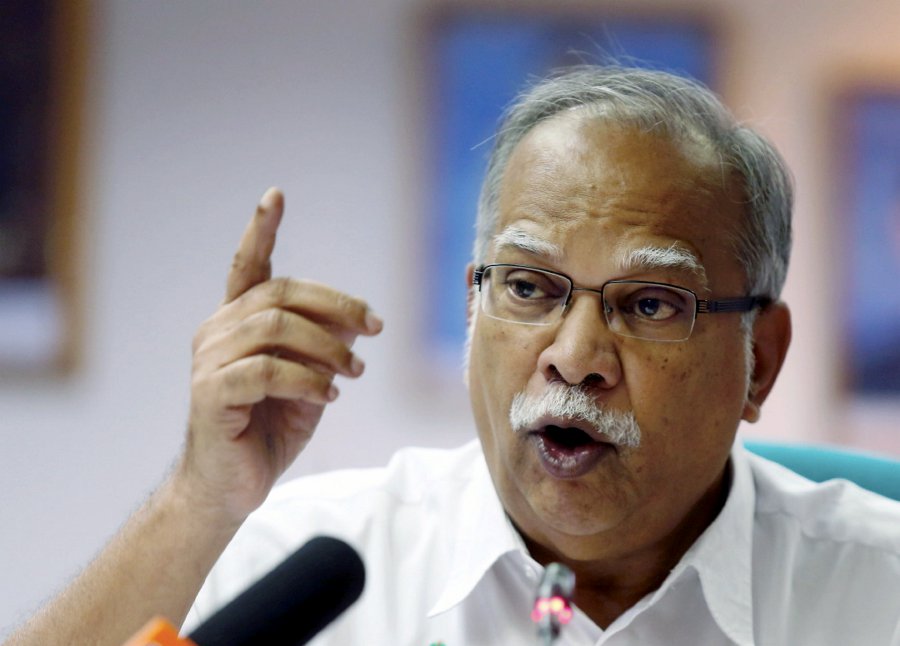
KUALA LUMPUR, June 4 — Growing divisions within the opposition could undermine efforts to challenge the Pakatan Harapan (PH)-led government and potentially hand the ruling coalition another electoral victory, according to Urimai chairman P. Ramasamy.
In a commentary shared on his Facebook, Ramasamy questioned whether Perikatan Nasional (PN), led primarily by PAS and Bersatu, remains capable of presenting a united front against the Unity Government, particularly as Umno continues to be part of the federal ruling coalition.
He noted that in Johor, Umno has already indicated its intention to contest elections independently, raising broader questions about the future alignment of political parties ahead of upcoming state and national polls.
According to Ramasamy, uncertainty also surrounds the relationship between PAS and Bersatu, which form the backbone of PN.
He argued that ties between the two parties have become increasingly strained following the resignation of former prime minister Muhyiddin Yassin as PN chairman, as well as recent developments involving Bersatu leaders and their reported migration to PAS.
Ramasamy also highlighted concerns surrounding the formation of the IPR coalition, an initiative associated with Muhyiddin that includes several parties and movements both within and outside PN.
He suggested that some PAS leaders may view IPR as an alternative political platform that could dilute PN’s influence, particularly because not all IPR members are components of the opposition coalition.
Among the parties linked to IPR are Gerakan and MIPP, which are already PN members, as well as other organisations that remain outside the coalition framework.
Ramasamy said recent comments by PAS leaders indicating that IPR may not be absorbed into PN have further fuelled uncertainty about opposition cooperation.
Speaking on behalf of Urimai, he said the party was comfortable remaining outside PN and would be prepared to contest elections either through IPR or in cooperation with Bersatu.
“Urimai is not dependent on joining PN,” he said.
Ramasamy argued that while opposition leaders frequently speak about building a united front against the government, they have so far failed to establish lasting political solidarity among themselves.
He said Bersatu may eventually need to reassess its relationship with PAS if efforts to build a broader opposition coalition continue to face resistance.
According to him, Bersatu has the potential to develop a separate opposition platform capable of attracting support from both Malay and non-Malay voters, particularly in states such as Penang, Perak, Selangor and Negeri Sembilan.
At the same time, he acknowledged PAS’ continued strength in Malay-majority states including Kedah, Kelantan and Terengganu.
Ramasamy warned that the opposition’s inability to unite could ultimately become its greatest obstacle in challenging the PH-led government.
“If opposition parties fail to work together, the ruling coalition could benefit from their divisions,” he said, adding that parties seeking a broader and more inclusive opposition alliance should not be blamed if efforts to build unity are rejected.



Leave a Reply